Master Python: Build Projects in Visual Studio

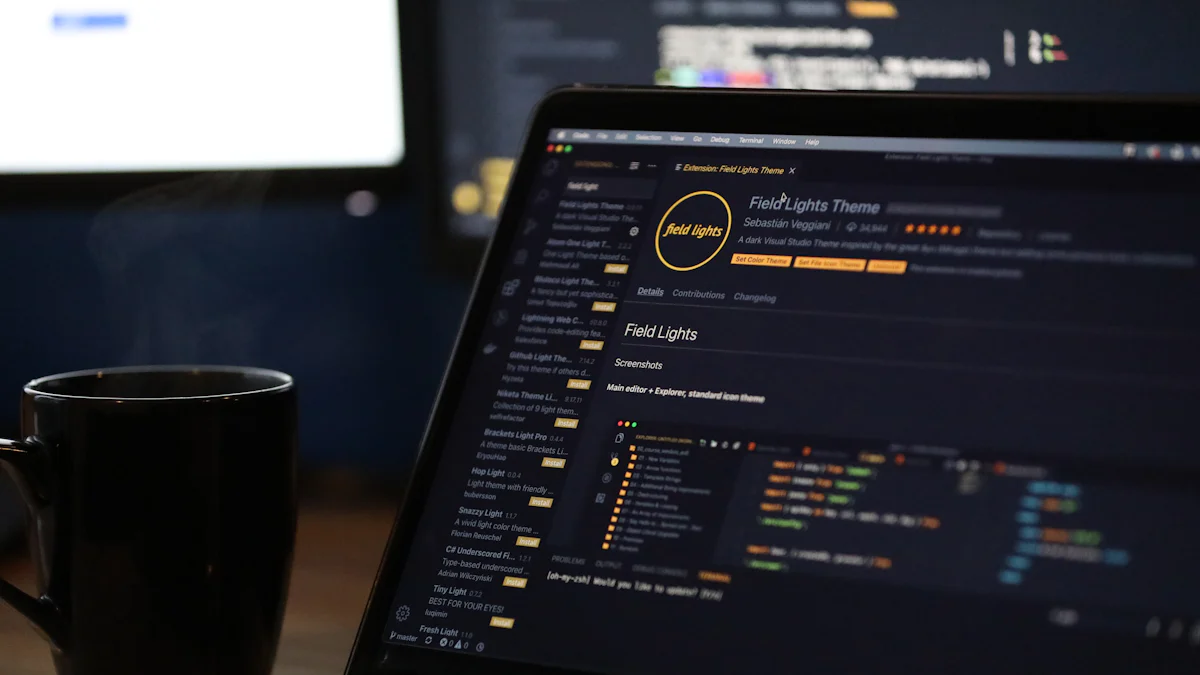
In the realm of programming, Python stands out as a versatile and beginner-friendly language. Coupled with the robust features of Visual Studio, it becomes a powerhouse for aspiring developers. For high school students, mastering Python opens doors to endless possibilities in software development. This blog aims to guide you through the exciting journey of building projects in Visual Studio using Python. From setting up your environment to enhancing your projects, we'll explore every step to empower your coding skills.
Setting Up Visual Studio

Visual Studio serves as the gateway to unleashing the full potential of Python programming. Let's dive into the essential steps to set up your environment and kickstart your coding journey.
Installing Visual Studio
To begin, downloading and installing Visual Studio is the initial crucial step. Follow this step-by-step guide to ensure a seamless installation process:
Visit the official Visual Studio website.
Locate the download section and choose the version compatible with your operating system.
Run the downloaded installer and follow the on-screen instructions.
Customize your installation preferences based on your development needs.
Configuring Visual Studio for Python
Once you have Visual Studio installed, it's time to configure it for Python development. Here's how you can tailor Visual Studio to accommodate your coding requirements:
Open Visual Studio and navigate to the settings menu.
Select 'Extensions' and search for 'ms-python.python'.
Install this extension to enhance your Python development experience within Visual Studio.
Creating a New Project
With Visual Studio ready for Python development, creating a new project is the next logical step. Follow these instructions to initiate your first project:
Click on 'File' in the menu bar and select 'New' followed by 'Project'.
Choose 'Python' as the language for your project.
Select the appropriate project type based on your application requirements.
Name your project and choose a suitable location to save it.
By completing these setup procedures, you are now equipped with a fully functional Python environment in Visual Studio, ready to embark on exciting coding adventures.
Creating Your First Python Project
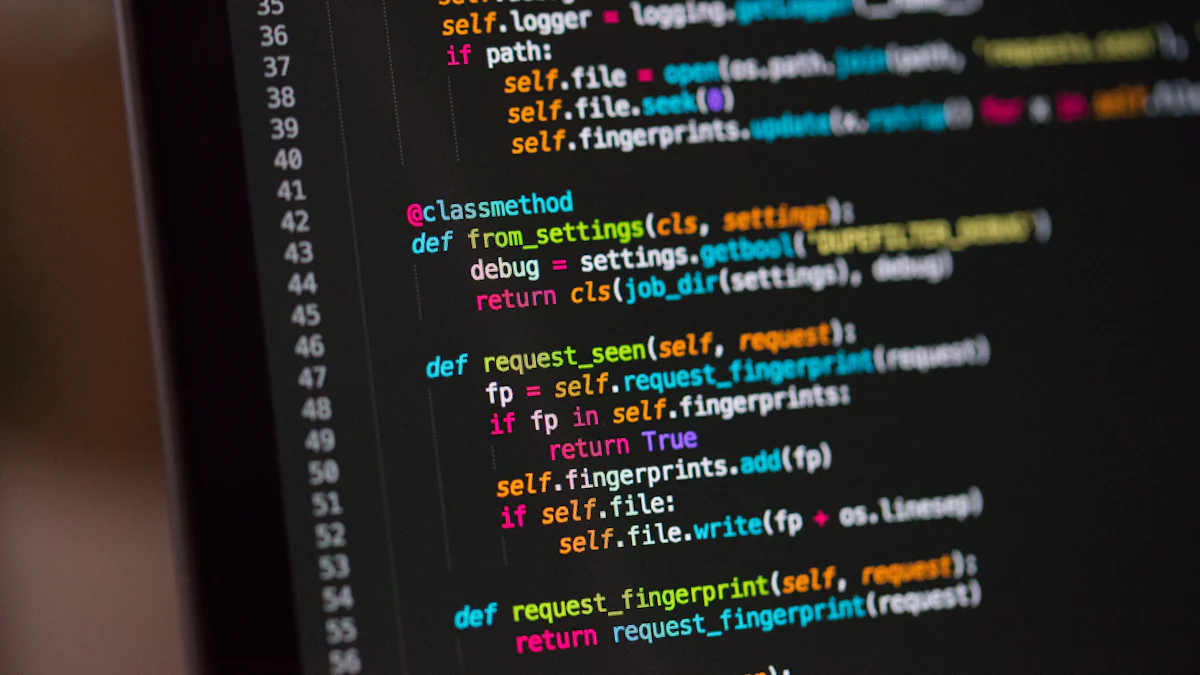
Embarking on your first Python project is an exhilarating step towards honing your coding skills. Let's delve into the fundamental aspects of creating and managing your initial project in Visual Studio.
Writing Your First Python Code
As you venture into the realm of Python programming, understanding the basic syntax and structure is paramount. Here are some key points to keep in mind:
Utilize indentation to define code blocks clearly.
Familiarize yourself with variables, data types, and operators.
Explore control flow statements like loops and conditional statements.
Now, let's put theory into practice by crafting a simple "Hello, World!" program. This classic introductory program serves as a foundation for more complex projects. Consider the following example:
**print**("Hello, World!")
By executing this concise code snippet in Visual Studio, you'll witness the power of Python in action as it displays the iconic greeting on your screen.
Running and Debugging Python Code
Once you've written your initial Python code, the next step is to execute it within Visual Studio. Here's how you can run your code seamlessly:
Click on the 'Run' button or press F5 to execute your script.
Observe the output in the console window to ensure correct functionality.
Inevitably, errors may arise during coding endeavors. Fear not! Visual Studio offers robust debugging tools to identify and rectify these issues efficiently. Take advantage of features like breakpoints, watch windows, and variable inspection to troubleshoot your code effectively.
Understanding Project Structure
A well-organized project structure lays a solid foundation for seamless development and collaboration. Let's explore essential considerations for structuring your Python project effectively:
Gain insights into project files and directories within Visual Studio.
Leverage folders to categorize different components of your project logically.
Adhere to naming conventions for files and directories to enhance readability.
By comprehending the intricacies of project structure, you pave the way for scalable and maintainable Python projects in Visual Studio.
Enhancing Your Python Project
As you delve deeper into your Python project within Visual Studio, the journey of enhancement begins. Elevate your coding experience by incorporating external libraries, leveraging powerful tools, and prioritizing code quality through rigorous testing.
Adding Libraries and Packages
How to install and use external libraries
Expanding the functionality of your Python projects is made seamless through the integration of external libraries. These libraries offer pre-built functions and modules that enhance your project's capabilities without reinventing the wheel. To incorporate external libraries:
Research relevant libraries on platforms like PyPI or GitHub to address specific project requirements.
Install desired libraries using package managers like pip within Visual Studio.
Import the installed library into your project by including it in your code.
By integrating diverse libraries such as NumPy, Pandas, or Matplotlib, you unlock a plethora of tools to streamline data manipulation, visualization, and analysis within your projects.
Examples of useful Python libraries
NumPy: Facilitates efficient numerical operations and array manipulations.
Pandas: Simplifies data handling through versatile data structures like DataFrames.
Matplotlib: Enables creation of insightful visualizations for data representation.
Embrace the versatility of these libraries to amplify the functionality and efficiency of your Python projects in Visual Studio.
Using Visual Studio Tools
Utilizing Visual Studio's tools to enhance your project
Visual Studio offers a myriad of built-in tools designed to optimize your development workflow and elevate your coding standards. Leverage these tools to boost productivity and streamline project management:
Code Completion: Accelerates coding by providing intelligent suggestions for variables, methods, and syntax.
Linting: Identifies potential errors, style inconsistencies, and best practice violations in real-time.
Integrated Debugger: Facilitates efficient debugging by pinpointing issues within your code seamlessly.
By harnessing these features embedded within Visual Studio, you cultivate a conducive environment for robust development practices and enhanced code quality.
Testing Your Code
Writing and running tests for your Python code
Testing forms an integral part of software development, ensuring reliability, functionality, and performance across diverse scenarios. Prioritize testing methodologies to validate the integrity of your codebase:
Implement unit tests using frameworks like unittest or pytest to evaluate individual components.
Execute integration tests to assess interactions between different modules within your project.
Conduct regression tests post-modifications to maintain existing functionalities intact.
Importance of testing and maintaining code quality
Comprehensive testing not only validates the correctness of your code but also fosters a culture of quality assurance essential for sustainable project growth. Embrace testing as a cornerstone practice in software development to reap benefits such as:
Enhanced code reliability and robustness.
Early detection of bugs leading to cost-effective bug fixes.
Improved maintainability through systematic test suites.
Prioritize testing as a proactive measure towards crafting resilient Python projects in Visual Studio that stand the test of time.
Tips for Mastering Python in Visual Studio
Embarking on the journey of mastering Python within Visual Studio is a continuous process that thrives on curiosity and exploration. Let's delve into invaluable tips to elevate your coding prowess and embrace the dynamic world of software development.
Continuous Learning
Resources for further learning and improvement
In the realm of Python programming, the quest for knowledge knows no bounds. Engage with a plethora of resources tailored to enhance your understanding and proficiency in Python:
Online Courses: Platforms like Coursera, Udemy, or Codecademy offer comprehensive courses covering diverse aspects of Python programming.
Official Documentation: Delve into the official documentation provided by Python Software Foundation to grasp intricate concepts and functionalities.
Books and E-books: Explore renowned titles like "Automate the Boring Stuff with Python" by Al Sweigart or "Fluent Python" by Luciano Ramalho for in-depth insights.
Joining Python communities and forums
Community engagement forms a cornerstone of growth in any field, and Python programming is no exception. Immerse yourself in vibrant communities and forums to:
Seek guidance from seasoned developers on complex coding challenges.
Share your projects, seek feedback, and collaborate with like-minded individuals.
Stay updated on industry trends, upcoming technologies, and best practices through community discussions.
By actively participating in these platforms, you foster a supportive network that nurtures your passion for Python programming while fostering continuous growth.
Practice and Projects
Importance of practice and building projects
Practice makes perfect holds especially true in the realm of coding. Dedicate time to regular practice sessions to solidify your understanding of core concepts:
Solve coding challenges on platforms like LeetCode, HackerRank, or CodeSignal to sharpen your problem-solving skills.
Undertake mini projects focusing on specific functionalities or algorithms to apply theoretical knowledge practically.
Refactor existing codebases to enhance readability, efficiency, and maintainability while honing your coding style.
Ideas for Python projects to build in Visual Studio
Unleash your creativity by embarking on diverse project ideas that not only showcase your skills but also cater to real-world applications:
Data Analysis Tool: Develop a tool using libraries like Pandas and Matplotlib to analyze datasets efficiently.
Web Scraper: Create a web scraper utilizing BeautifulSoup library to extract data from websites effortlessly.
Chatbot Application: Build an interactive chatbot using Natural Language Processing libraries like NLTK or spaCy for engaging user interactions.
By immersing yourself in practical projects spanning various domains, you cultivate a robust skill set while unraveling the boundless potential of Python within Visual Studio.
In conclusion, mastering Python and harnessing the capabilities of Visual Studio are pivotal steps in your coding journey. By honing your skills in Python programming, you unlock a world of endless possibilities and creative potential. Remember, learning is a continuous process, so embrace challenges with curiosity and enthusiasm. Keep exploring new horizons, experimenting with different projects, and pushing the boundaries of your knowledge. As you navigate the dynamic realm of software development, always strive for growth and innovation. Take that leap of faith, dive into coding adventures, and let your passion for Python propel you towards excellence!
HURRY UP! THE OFFER IS LIMITED
Like it? Pre-order and get a discount
Subscribe for more information

© Copyright 2024 CategoryChinese - All Rights Reserved.